



Tips to Prevent Injuries While Playing Contact Sports
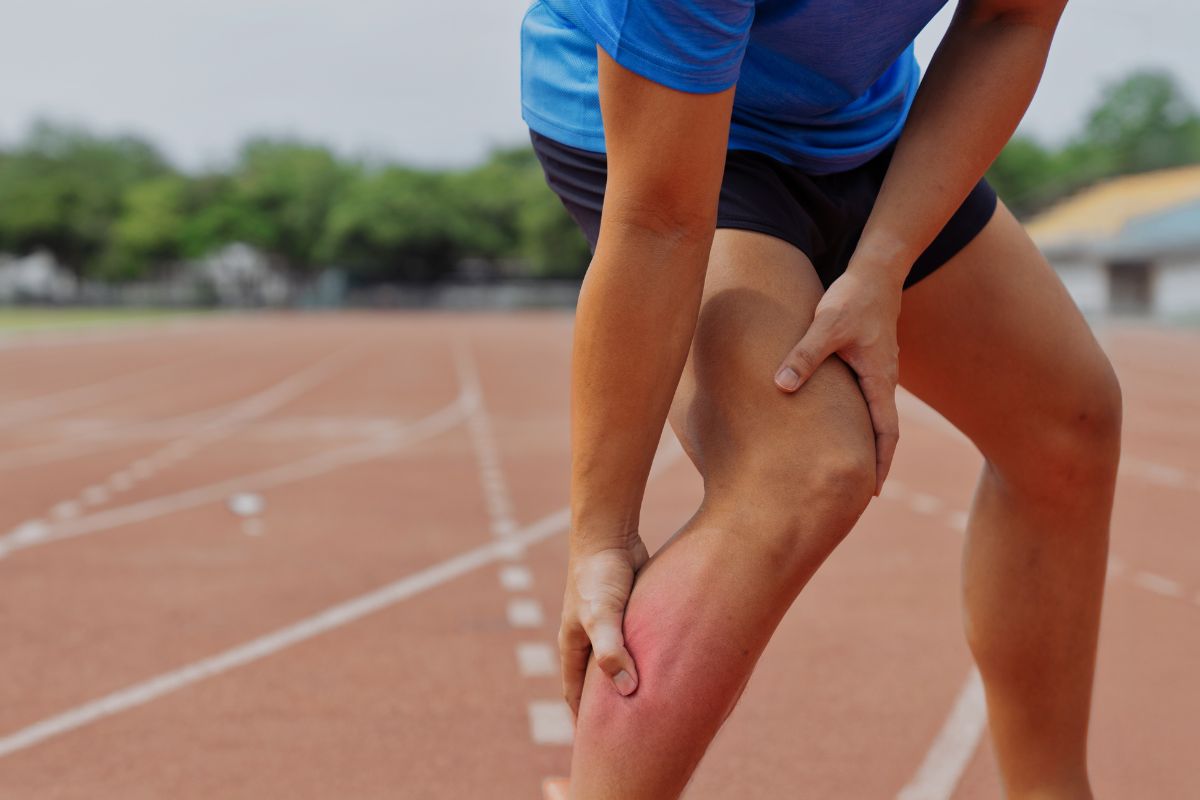
Contact sports like football, rugby, hockey, and martial arts are exciting but carry a risk of collisions, falls, and acute or overuse injuries. By following evidence-based practices athletes can greatly reduce injuries. Key strategies include thorough warm-ups and cool-downs, using proper protective gear, training safe techniques, targeted conditioning, staying hydrated, and allowing adequate rest and recovery. Effective coaching, strict adherence to game rules, and regular medical checkups also play essential roles. Below we outline practical tips and research-backed advice for staying safe across a variety of contact sports.
Proper Warm-Up and Cool-Down
A gradual warm-up before activity raises body temperature, increases blood flow to muscles, and makes the body more flexible and ready for sport. For example, simple aerobic movements (jumping jacks, jogging, cycling) followed by dynamic stretches (leg swings, arm circles) are recommended. Research shows that good warm-up routines can dramatically reduce injury risk – one review found structured warm-ups may cut injury recurrence by up to 75%. Cool-downs after play (gentle movements and static stretches) help remove metabolic waste, prevent blood pooling, and ease muscles back to resting length. Ignoring warm-ups or cooldowns increases muscle stiffness and susceptibility to strains. A proper routine might take 10–15 minutes before and after practice, with dynamic exercises before and sustained stretches (20–30 seconds each) after.
-
Active warm-up: Start with light cardio (jogging, cycling, jumping jacks) for 5–10 minutes.
-
Dynamic stretches: Incorporate movement-based stretches that mimic sport motions (e.g. walking lunges, high knees).
-
Cool-down: End sessions with 5–10 minutes of light activity (easy jogging or skating) and static stretching of major muscle groups.
These steps prepare the body for play and reduce muscle cramping, soreness, and tears. As Johns Hopkins Medicine notes, “[s]tretching exercises can improve muscle performance, reducing the risk of injury” when done properly.
Use of Proper Protective Equipment
Wearing correctly fitted gear is critical in contact sports. Modern helmets, pads, mouthguards and other gear have significantly improved safety. For example, football, rugby, and hockey players should wear sport-specific protection – helmets, shoulder pads, knee/elbow pads, and appropriate guards – to absorb impacts and prevent cuts or fractures. Martial artists and boxers rely on gloves, headgear, shin guards, and mouthpieces. The choice of equipment depends on the sport, but the key is fit and quality: helmets should sit level on the head, shoulder pads must cover joints while allowing movement, and mouthguards should cover all teeth.
In boxing and martial arts, padded gloves and headgear protect against cuts and direct trauma. Studies show boxing headgear effectively prevents facial injuries (cuts, bruises), though it may not fully eliminate concussion risk. Still, wearing a helmet or headguard is better than none. Overall, using sport-appropriate equipment and maintaining it (replacing worn-out gear) is a proven way to avoid many injuries.
Safe Technique and Coaching
Learning and practicing proper techniques is vital. Coaches and trainers should emphasize mechanics that minimize dangerous stress on the body. For instance, instructing players in safe tackling form (tackling low with a bent waist) can greatly cut head and neck injury rates. World Rugby’s “Tackle Ready” program highlights that a bent-at-waist tackle is 4.5 times safer for the tackler than an upright one. Similarly, tackling in football should aim for the opponent’s hips or thighs, not the head. In hockey, players must control their checks and avoid boarding or hitting from behind. Sports officials and rulebooks are designed to penalize dangerous plays (e.g. spearing in football, charging in basketball/hockey).
Coaching plays a big role: qualified coaches should teach fundamentals and monitor technique. Using proper form in training reduces stress on joints and muscles. For example, when lifting weights or performing agility drills, athletes should move within comfortable limits and focus on alignment. Coaches also enforce safety rules (no head-first hits, obeying the offside line, etc.), which prevents needless collisions. As one medical source advises, “[u]sing proper form during physical activity is key to preventing sports injuries”.
-
Skill drills: Practice sport-specific skills (tackling dummies in rugby, safe falls in judo) under supervision.
-
Technique clinics: Learn from trainers or programs (e.g. rugby tackling workshops, safe-check seminars in hockey).
-
Stay within rules: Follow all game rules and sportsmanship guidelines to avoid dangerous situations (no headhunting, illegal checks, or unprotected slides).
By focusing on safe technique and coach education, teams can prevent many contact injuries before they happen.
Sport-Specific Conditioning
A well-rounded conditioning program tailored to each sport keeps the body prepared for its unique demands. This means strengthening the muscles and improving the flexibility that support common movements and joints in that sport. For instance, football and rugby players often focus on leg strength, core stability, and shoulder power. Hockey players work on skating speed, leg endurance, and hip flexibility. Martial artists emphasize neck and core strength, full-range flexibility for kicks and strikes, and cardiovascular endurance.
Many experts recommend exercises that target the joints most at risk. For example, conditioning exercises for fall sports often include squats and lunges (to protect knees) and shoulder presses/rotator-cuff exercises (for shoulder joints). A balanced fitness plan should include cardiovascular training, resistance training, and flexibility. The American Orthopaedic Society for Sports Medicine suggests strength training 2–3 times per week for upper and lower body, focusing on the core, legs, and arms. Strong muscles act like natural shock absorbers for joints, preventing sprains and tears.
-
Strength training: Lift weights or use resistance bands to build muscle around vulnerable joints (e.g. quads/hamstrings for knees, deltoids/rotator cuff for shoulders).
-
Flexibility and mobility: Incorporate yoga or dynamic stretching to maintain full range of motion (hamstring stretches, hip openers, trunk rotations).
-
Sport drills: Simulate game actions – agility ladders for quick feet, plyometrics for jumping, or sparring practice for fighters.
-
Endurance: Include aerobic or interval training (running, cycling, swimming) to handle the sport’s demands without fatigue.
Dr. Van Thiel (sports medicine) advises using “dynamic stretches and drills that mimic movements specific to your sport” to reduce strains and overuse injuries. In summary, tailor pre-season and in-season workouts to build strength and flexibility in the areas most stressed by your contact sport.
Hydration and Nutrition
Staying well-hydrated and nourished is often overlooked but critically linked to injury prevention. Dehydration can cause muscle cramps, fatigue, dizziness and heat illness – all of which make injuries more likely. The American College of Sports Medicine recommends drinking 17–20 ounces of water 2–3 hours before activity, 7–10 ounces every 10–20 minutes during exercise, and 16–24 ounces for each pound lost after. In hockey, for example, players are advised to drink about 24 ounces of fluid 2 hours before playing and an 8-ounce cup of water every 20 minutes on the ice. Athletes should also replenish electrolytes (with sports drinks or salty snacks) during long, intense sessions.
Proper nutrition provides the building blocks for healthy muscles and bones. A balanced diet rich in protein, calcium and vitamins supports tissue repair and resilience. As one expert notes, “a balanced diet rich in essential nutrients can strengthen muscles and bones, improving overall physical health and reducing the risk of sports injuries”. Key tips include:
-
Pre-game fueling: Eat a carbohydrate-rich meal 2–3 hours before play (pasta, rice, fruits) for energy.
-
Snacks: Have quick carbs (banana, granola bar) if there’s a long delay before activity.
-
Post-game recovery: Consume protein (chicken, yogurt) and carbs (potatoes, fruit) within an hour after exercise to repair muscles.
-
Avoid empty calories: Don’t rely on sugary sodas or junk food, which can worsen hydration and nutrient balance.
In short, drinking fluids regularly and eating a nutrient-rich diet help maintain performance and reduce fatigue- and heat-related injuries.
Rest and Recovery
Adequate rest is as important as training. Overuse injuries happen when the body doesn’t have time to heal between hard workouts. Experts advise scheduling regular rest days and “listening to your body” if aches or fatigue develop. For competitive athletes, this might mean 1–2 full rest days per week, and light “active recovery” (easy cycling or walking) on others. Rest allows muscles, tendons, and joints to rebuild. A recent sports-therapy article notes that taking rest days “reduces continuous wear on your joints and promotes better long-term joint health.”. Without recovery, small strains can worsen into serious injuries (stress fractures, tendinitis).
Sleep is also crucial: athletes should aim for 8–10 hours per night. Growth hormone released during deep sleep helps tissue repair. Overtraining syndrome (persistent fatigue, mood changes) can result from chronically poor rest and often leads to injury. Key points on rest and recovery:
-
Rest days: Plan at least one day off every week. If you feel unusually sore or tired, take an extra day.
-
Sleep: Prioritize good sleep hygiene (consistent schedule, dark room) to allow full recovery.
-
Post-injury rehab: Follow through with any recommended physical therapy. Do not rush back into play before fully healed – for example, require a concussion sufferer to be symptom-free before returning.
-
Listen to pain: As GPOA advises, stop if in pain and seek medical advice rather than “fight through” an injury.
In essence, controlled rest prevents overuse and chronic injuries. Research on athletic programs confirms that scheduled breaks and easing workout intensity markedly lower injury rates.
Coaching, Rules, and Education
Teams stay safer when everyone—from coaches to players—prioritizes safety. Coaches should enforce rules strictly. In hockey and soccer, for example, risky actions (checking from behind, two-footed tackles) have been banned because they cause head and spine injuries. The AAOS hockey safety guide emphasizes that “rule changes and better enforcement… along with improved protective equipment” have reduced injuries. It stresses that players must “be aware of possible injuries and follow the rules… Serious injuries can be prevented if players avoid dangerous tactics or overly aggressive play.”.
Educational programs are helpful. World Rugby’s Tackle Ready initiative provides coaches with a five-step framework to teach safer tackling technique. Similar programs exist in football (e.g. Heads Up tackling clinics) and in martial arts (emphasizing break-falls and controlled sparring). Youth leagues often require training in safe play (e.g. USA Hockey’s player-safety workshops).
Key guidelines include:
-
Qualified coaching: Coaches should have training in injury prevention and first aid. They set the tone for safe practices and should insist on proper form and equipment use.
-
Rule compliance: Teams must obey all sport rules. Drunk, reckless, or unsportsmanlike conduct increases injury risk. Referees also play a role in penalizing dangerous play.
-
Peer education: Veteran players can mentor newcomers on staying safe – for example, teaching a young fighter to “tuck the chin” and roll with punches to protect the head.
In summary, a culture of safety — coached instruction plus strict rule-following — creates an environment where injuries are caught early or avoided altogether.
Medical Check-Ups and Monitoring
Finally, regular medical supervision helps catch problems before they sideline an athlete. Before each season, contact sport athletes should have a pre-participation physical exam to screen for risk factors (poor balance, previous injuries, cardiac issues, etc.). Team physicians or trainers should track injury history and fitness levels. If a player has a lingering issue (e.g. prior knee sprain), doctors can recommend braces or exercises to protect that area.
After injuries, prompt evaluation is crucial. The GPOA notes that seeing a sports medicine doctor early can prevent “a small injury [turning] into a much more serious problem”. Players should also undergo concussion screening and follow return-to-play protocols. For example, many leagues require a player to be symptom-free and cleared by a doctor before resuming contact.
Routine follow-ups (e.g. mid-season check) are valuable when possible. A physical therapist or athletic trainer can identify muscle imbalances or technique flaws that raise injury risk. In summary:
-
Physical exams: Get checked by a sports medicine professional annually or when concerns arise.
-
Rehabilitation: Complete any prescribed rehab program fully; never return to full activity until cleared.
-
Injury monitoring: Keep records of injuries and inform doctors/coaches about pain or weakness.
-
Concussion protocols: Follow medical guidelines strictly for head injuries (gradual return after no symptoms).
These medical practices ensure that athletes aren’t unknowingly playing with risk factors that could lead to injury.