


How to Improve Fast Bowling Speed Naturally
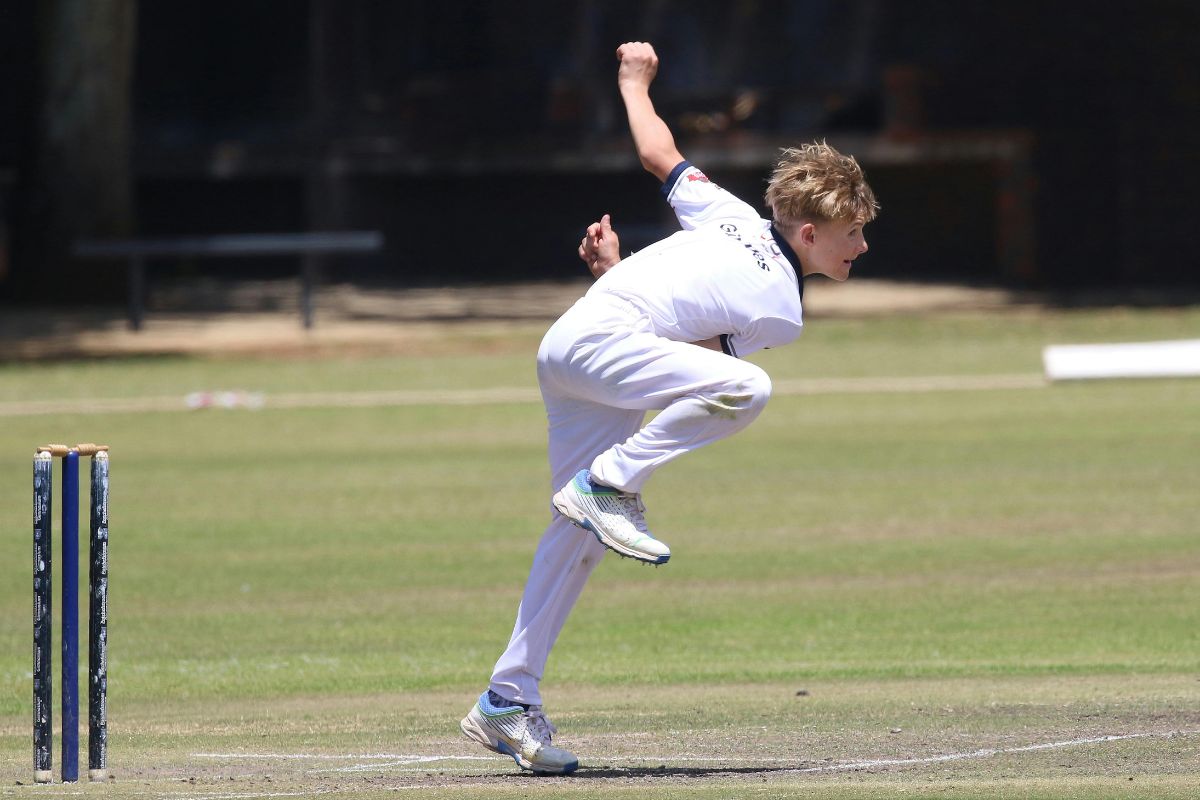
To bowl faster, a fast bowler needs a blend of strength, technique, drills, nutrition, and mental focus. Building explosive power in the legs, hips, core, and shoulders – while maintaining flexibility – forms the physical foundation. Equally important is refining the bowling action: a balanced, rhythmic run-up, a strong front-leg landing, a delayed “whip” of the arm at release, and a full follow-through all help maximize pace. Specific bowling drills reinforce these mechanics (for example, resisted sprints and weighted-ball throws) and develop speed. Nutrition and recovery ensure the body can grow muscle and repair joints without synthetic aids. Finally, a winning mindset – believing in oneself, visualizing successful deliveries, and staying calm under pressure – lets a bowler consistently deliver their best. The tips below explain each aspect with practical exercises and guidelines for amateur to semi-pro players.
1. Physical Conditioning (Strength & Mobility)
-
Leg and Hip Power: Strong legs generate bowling pace. Focus on squats (to a partial depth matching your bowling front-foot landing) and lunges to build quads, hamstrings, glutes and calf strength. Include plyometrics (e.g. box jumps, depth jumps, bounding) to develop explosive push-off power. A typical routine might be 3 sets of 8–12 reps of squats and lunges, and 2–3 plyometric drills (e.g. 5×3 box jumps).
-
Core Stability: A solid core transfers force from legs to arm. Planks (front, side, and with hip rotations) greatly strengthen abs and lower back. Add Russian twists or medicine-ball rotational throws to develop the torso twist used in bowling. For example, hold a plank for 30–60 seconds or do 15–20 Russian twists per side. Stable core muscles improve balance in the delivery stride and protect the back.
-
Upper Body & Shoulders: Strong shoulders and upper back help whip the arm through release. Use chest presses or push-ups (avoiding heavy overhead pressing) to strengthen the chest and deltoids safely. Resistance-band shoulder exercises and light rotator-cuff work (external rotations) maintain mobility and joint health. For example, perform 3×12 dumbbell chest presses and 3×15 banded external rotations twice weekly. Balance strength with shoulder flexibility to prevent injuries.
-
Flexibility & Mobility: Fast bowlers must be loose and mobile. Warm up with dynamic stretches (leg swings, arm circles, torso twists) to activate muscles and increase range of motion. This “dynamic stretching” readies the hips, shoulders and spine for explosive action. After training or matches, use static stretches or foam rolling on tight areas (hip flexors, hamstrings, shoulders) – foam-rolling helps release knots and speeds recovery. Staying flexible prevents strain injuries: as Kanishk Seth notes, “If your body is tight, it won’t allow you to perform well”.
Tip: Incorporate mobility drills (e.g. hip openers, shoulder dislocates) into your warm-up. Keep sets short and frequent (e.g. every practice or daily) rather than one long session. A 10-minute mobility routine before bowling helps ensure the body can move freely at full speed.
2. Technique Optimization (Run-Up & Delivery)
-
Rhythmic Run-Up: Develop a smooth, consistent run-up so that momentum builds evenly. Your approach should start fast enough to carry energy but under control. Focus on a steady stride pattern – avoid jogging or leaping too early. As you sprint in, gradually build speed; your final steps should be the quickest. In practice, experiment to find a comfortable run-up length (6–8 strides or as needed). For example: mark a run-up track and time yourself, aiming to complete the last few yards with maximum, balanced effort.
-
Pre-Delivery Jump: Just before delivery, a short forward leap (rather than a high bound) helps maintain momentum. Bowlers like Morne Morkel use a long, flat jump so their center of mass continues forward. This “long jump” keeps the head stable and the body moving straight, adding speed. Practice a smooth jump (start on back foot, land on front foot) that doesn’t stall your approach.
-
Front-Leg Landing: As your front (stride) foot hits the pitch, brace it firm and extended. Extending the front knee (“stiff front leg”) is crucial: it acts like a pillar that transfers ground force up into your delivery. A straight front leg lets you release more energy into the ball; conversely, a bent landing leg causes energy loss and can slow the delivery. Coaches recommend focusing on landing like you will see in slow-motion video: solid heel-then-flat landing with knee over the heel. In net sessions, mark a spot to land and ensure your foot lands facing forward and mostly straight.
-
Upper-Body Alignment: Keep shoulders and hips roughly aligned in the direction of release. Avoid excessive side-on or front-on bias – find a comfortable angle (many bowlers use a semi-open or “mixed” action). The key is a smooth transfer: hips rotate immediately after landing, driving the bowling shoulder through the delivery. At back-foot contact, have a slight forward lean without collapsing, then rotate the hips explosively.
-
Arm Path & Wrist: Your bowling arm should swing freely but under control. Keep the non-bowling arm up for balance and “load” your arm in the back-swing. As you arrive, delay whipping the arm and release until the last moment. Research notes that “extremely fast bowlers like Brett Lee delay the bowling arm as much as possible” because keeping the arm drawn back longer increases the shoulder angle and release speed. At the point of release, snap the wrist downward sharply (the wrist should be slightly cocked, not floppy) to transfer maximum energy. In practice, work on capturing the ball in your fingers as long as possible through the delivery and then accelerating at release.
-
Follow-Through: Never decelerate abruptly after release. A strong finish – bowling arm continuing to come down and around, chest facing target – means you’ve channeled energy into the ball. Drive your back leg through and end balanced. Coach Geoff Lawson advises keeping momentum forward. A full follow-through also protects against injury by allowing forces to dissipate gradually. Drill this by focusing on “finishing tall” after the ball is gone, not craning head down immediately.
Tip: Practice your action in slow motion. Video-record your run-up and delivery so you can check stride length, arm lag, and follow-through. Minor tweaks (e.g. straightening your front knee slightly more, or keeping your head still) can lead to measurable speed gains over time.
3. Speed Drills and Practice
Figure: Banded sprint drill (high knees) to build run-up acceleration and leg power.
-
Resisted Run-Ups: One effective drill is banded sprints. Attach a resistance band or parachute to your waist and sprint forward. This builds hip and leg power for your run-up. For example, have a partner hold a band or run with a parachute tether as you do high-knee sprints for 20–30m. The added resistance forces you to drive harder with the legs. Tushar Deshpande notes this “helps in my run-up, especially the acceleration” during practice.
-
Parachute Sprints: Similar to banded runs, running with a parachute (or heavy towel/band tied to waist) trains explosive acceleration and conditioning. Sprint 15–25m repeats with full effort, rest between reps. This builds explosive power for your approach speed. When parachutes aren’t available, tying a resistance band at waist (onstadium railing or coach) works too.
-
Running Drills (A-Skips, B-Skips): Incorporate sprint drills like A-skips and B-skips into warm-ups. These drills improve sprint mechanics (knee lift, foot drive) and coordination. They prime the neuromuscular system for high-effort sprints. Spend 5–10 minutes on a combination of skipping and sprint runs as part of practice warm-up.
-
Single-Leg Stability: Because bowling (and follow-through) ends on one leg, single-leg balance is important. The “single-leg balance test” (standing on one leg for 20–30 seconds) can reveal weaknesses. Practice single-leg Romanian deadlifts or single-leg squats to strengthen each side. In drills, alternate balancing on one leg or performing slow single-leg hops. Improving single-leg stability reduces injury risk and ensures your body stays controlled after front-foot landing.
-
Weighted-Ball Drill: Throwing or bowling a slightly heavier ball can increase arm speed. Use a sand-filled ball (260–300g) in the nets, focusing on using the same action. The added weight forces you to move the arm harder, so when you switch back to a normal ball, your arm “feels lighter” and can whip through faster. Do light spells (e.g. 8–10 throws) with a heavier ball, then resume normal bowling.
-
Plyometric & Power Exercises: Off the field, train explosive power with exercises like hang cleans, medicine-ball throws, box jumps, and clean-and-jerk. These boost whole-body explosiveness – especially hips and core. For instance, 3 sets of 5 box jumps (onto a 30–60cm box) twice a week helps leg power. Or toss a medicine ball straight up or rotationally (simulating bowling) for core explosiveness. Keep weight moderate to avoid fatigue during the season. Tushar Deshpande endorses box jumps and cleans to “develop strength through your lower body and improve overall athleticism”.
Figure: Parachute sprint drill for leg power and acceleration
Tip: Mix these drills into your weekly routine. For example, Monday – strength (squats, lunges); Tuesday – ball practice; Wednesday – sprint drills (banded/parachute runs + singles); Thursday – rest or light jog; Friday – bowl in nets (with weighted balls); Saturday – gym power session (box jumps, med-ball throws); Sunday – recovery (stretch/yoga). Always ensure some recovery time to avoid burnout.
4. Nutrition & Recovery
-
Protein for Muscle Repair: Fast bowling causes muscle micro-tears that must heal stronger. Eat plenty of lean protein (chicken, fish, eggs, beans, Greek yogurt) to supply amino acids. Aim for roughly 1.5–2.0 g/kg bodyweight per day. For example, a 70kg bowler might eat 105–140g of protein. Protein-rich meals after practice help rebuild muscle faster. As research notes, about 1.6–2.2g/kg can optimize muscle repair during recovery phases.
-
Carbohydrates for Energy: Bowling long spells and running in saps energy. Whole-food carbs (whole grains, rice, oats, pasta, potatoes, fruits, vegetables) replenish glycogen and fuel endurance. Roughly 50–60% of calories should come from quality carbs. Before a match, eat a carb-rich meal (like rice or pasta with vegetables) 2–3 hours prior. During long sessions, snack on fruits or energy bars to keep energy levels up. Adequate carbs help you stay explosive through an innings.
-
Healthy Fats & Omega-3s: Include unsaturated fats (nuts, seeds, olive oil, avocado) in your diet. They support joint health and provide concentrated energy. In particular, omega-3 fatty acids (from fatty fish like salmon, mackerel or plant sources like flaxseed, walnuts) reduce inflammation in muscles and joints. A daily intake of fish or omega-3 supplements can ease soreness and aid recovery. Avoid excess fried or sugary foods, which can increase inflammation.
-
Vitamins, Minerals & Hydration: A varied diet ensures key micronutrients. Vitamin C (citrus fruits, berries) is needed for ligament and tendon repair (collagen synthesis). Vitamin D and calcium (dairy, leafy greens, sun exposure) strengthen bones. Zinc (meat, legumes) supports protein synthesis. Stay well-hydrated: drink water consistently, and consider electrolyte drinks during very long nets sessions or hot days. Good hydration maintains muscle function and concentration on the field. Aim for ~2–3 liters of water daily, more on match days.
-
Rest and Sleep: Recovery happens outside practice. Adequate sleep (7–9 hours/night) is crucial: deep sleep triggers growth hormone release for muscle repair and regulates stress hormones. Consistent bedtime routines improve sleep quality. Even short naps (30–45 min) on busy days help. Schedule at least one full rest day per week with light activity (stretching, walking) to let tissues heal. Overtraining leads to fatigue and injury; monitor your workload and reduce practice intensity when needed.
-
Active Recovery & Therapy: Use light recovery techniques on off-days. Gentle swimming or cycling increases blood flow without stress. Regularly foam-roll tight muscles (quads, IT band, back) to prevent stiffness. Post-practice, consider contrast showers or ice packs on sore areas. Manual therapies (massage, physio) help knead out knots. Listen to your body: if a muscle or joint feels unusually painful, rest and treat it. This natural approach (rather than quick fixes) builds durability over time.
Tip: Plan meals and snacks around your schedule. For example, eat a balanced meal (protein + carb + veg) 1–2 hours before practice, have a protein-rich snack (Greek yogurt or protein shake) after bowling, and hydrate continuously. In long tournaments, pack easy healthy snacks (nuts, fruit bars) to avoid unhealthy convenience foods.
5. Mental Toughness & Focus
-
Positive Self-Belief: Believe in your abilities. Top bowlers maintain a strong internal narrative. David Charlton lists “telling yourself you are a great bowler” as a key attribute. Before each run-up, remind yourself of past successes or a positive cue (e.g. “I’ve trained well, just bowl my stock ball”). Trust your action and preparation. Avoid dwelling on past mistakes: “quit overthinking” and focus on the next delivery.
-
Visualization: Mentally rehearse your bowling. Spend a few minutes picturing yourself running in and hitting the perfect line and length, or celebrating a wicket. Include as many details as possible – the feel of the pitch, the sight of the bat, even crowd noise. Researchers and coaches note that visualization effectively programs the brain for success. By mentally practicing first, you build confidence: “visualization…can restructure the wiring…of the cricketers’ brain” for better execution. Try a short session (5–10 minutes) before matches.
-
Pressure Control & Routine: Embrace challenges. Great bowlers see each ball as a duel they can win. Stuart Broad and others stress staying calm and liking the challenge. Develop a simple pre-delivery routine (e.g. deep breath, fixed number of steps) to quiet the mind. Focus only on the execution of the present ball, not the scoreboard. If you lose concentration or feel pressure, use a physical reset cue (shaking arm, tapping foot) and reset your rhythm. Controlled breathing between overs can also keep adrenaline in check.
-
Goal Setting: Set small, realistic goals for each spell. Instead of worrying “I must bowl 145 kph!”, aim for “hit full length to the pitch” or “tight line on off stump”. Meeting these process goals builds confidence. Celebrate small wins (good lines, batsman mistakes) to keep motivation up. For longer tournaments, have bigger goals too (like improving fitness or achieving a speed target gradually). Tracking progress (with a speed gun or coach’s feedback) reinforces a positive mindset.
-
Resilience: Every bowler has bad balls. What matters is bouncing back. When hit for runs or lost rhythm, great bowlers “remain calm and keep a positive mindset on the next delivery”. Practice this by imagining adversity during training: e.g. deliberately miss a few balls in the nets, then force yourself to focus and bowl a dot ball. Post-performance reflection (with a coach or in a journal) helps you extract lessons without self-criticism. Over time this builds mental “thicker skin” so you bowl faster and smarter under stress.
Tip: Use visualization daily. For example, wake up and close your eyes for 3 minutes, vividly imagining bowling a perfect fast delivery. Over weeks this primes your mind. Also practice mindfulness (focus on breathing) off-field to improve concentration. These mental habits, like physical training, require consistency but pay off by making you a confident, unflappable bowler.
Each element above reinforces the others. By training smartly and naturally – with proper exercise, nutrition, technique and mindset – a bowler can gradually increase pace while staying healthy. Consistency in practice, recovery, and mental preparation at the amateur/semi-pro level lays the groundwork to bowl noticeably faster over time.