

Natural Remedies for Sleep Apnea: Evidence-Based Strategies
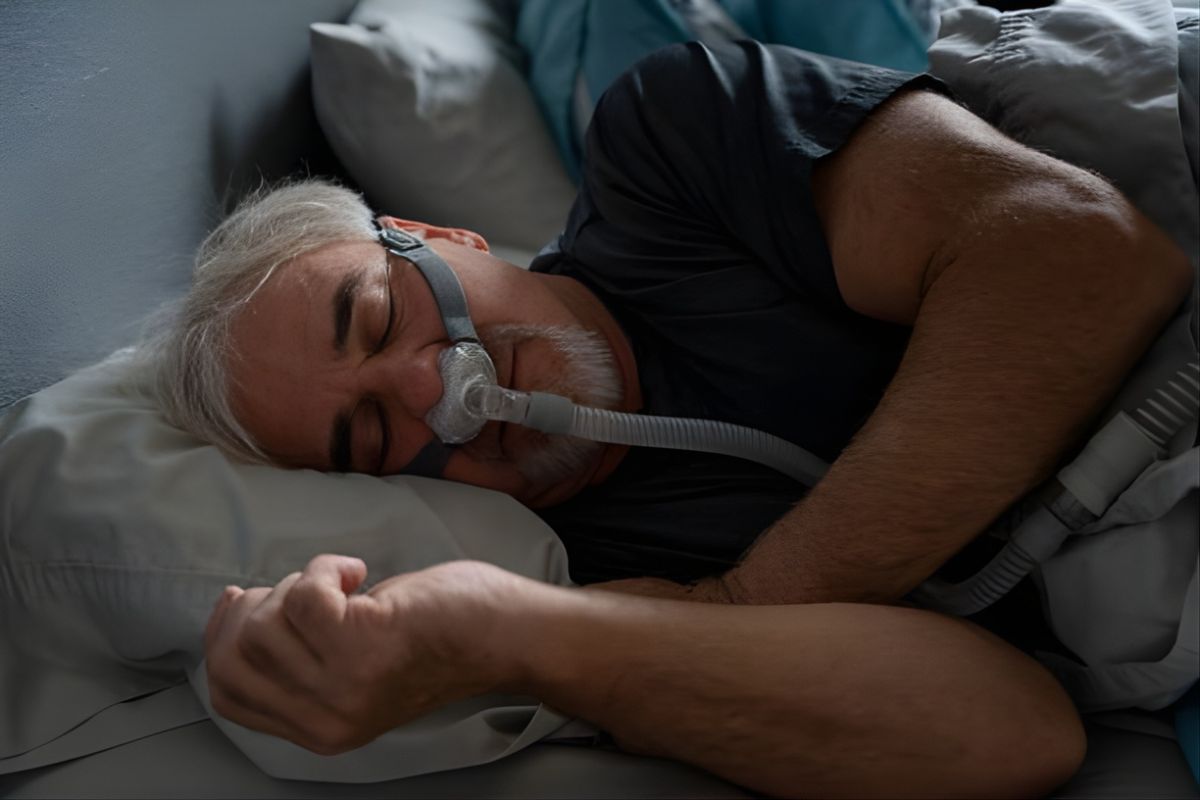
Obstructive sleep apnea (OSA) is a common disorder in which the airway repeatedly collapses during sleep, leading to snoring, interrupted breathing, and daytime sleepiness. It affects hundreds of millions of adults worldwide (nearly 936 million people globally) and is linked to obesity, high blood pressure, and cardiovascular risk. Standard treatment (such as CPAP) can be effective, but many patients also seek non‑medical remedies to improve symptoms. Fortunately, a range of lifestyle, breathing, diet, and natural therapies have been studied. In mild-to-moderate OSA, evidence-based changes can complement medical care and in some cases substantially reduce apnea severity. Below we summarize key approaches supported by research:
Lifestyle and Behavioral Changes
Improving basic habits is often the first step. The NIH and sleep experts emphasize healthy living for OSA management. Key changes include:
-
Weight Management and Exercise. Obesity is the leading risk factor for OSA. Losing excess weight often reduces airway obstruction. In a recent randomized trial, overweight men with moderate-to-severe OSA who followed an intensive 8‑week diet-and-exercise program (combined with usual care) saw their apnea severity (AHI) drop by ~51%, whereas controls saw no improvement. In fact, almost half of the interve ntion group no longer needed CPAP after 8 weeks. Regular aerobic exercise alone (even without large weight loss) can also help strengthen respiratory muscles and improve sleep breathing. For example, moderate exercise was linked to milder OSA in several studies. Clinically, doctors routinely recommend daily physical activity and weight loss to relieve apnea.
-
Alcohol, Smoking, and Caffeine. Alcohol and sedative drugs relax throat muscles and worsen apnea. Even modest drinking before bed can increase sleep breathing interruptions. Quitting smoking is also advised: smoke irritates airways and may increase apnea frequency. Limiting caffeine (especially late evening) and avoiding sedatives can improve sleep quality. As the NIH notes, limiting alcohol and caffeine and stopping smoking are among the most effective lifestyle changes for OSA.
-
Sleep Posture. Body position strongly affects airway patency. Lying on the back tends to worsen OSA because the tongue and tissues fall backward. Sleeping on the side or stomach usually keeps the airway more open. In clinical practice, patients are often advised to sleep on their side. For example, positional therapy (worn tennis-ball devices or pillows) has reduced apnea events in some people. A graphic study chart illustrates that far fewer apneas occur in lateral (side) positions than dorsal (back) sleeping. This insight is supported by the NIH guidance to sleep on your side and by studies on position-dependent apnea (supine-sleep posture shows worse OSA).
-
Sleep Environment and Hygiene. Maintain regular sleep schedules and a comfortable bedroom (cool, dark, and quiet). Improve nasal airflow (treating congestion or allergies) and keep the head slightly elevated (e.g. using a wedge pillow), as even modest bed-angle elevation has been shown to reduce OSA severity in trials. A humidifier or saline nasal spray may ease airflow. Overall, good sleep hygiene enhances the benefit of other remedies.
Breathing and Oral Exercises
Exercises that strengthen the airway muscles and improve breathing control can reduce OSA symptoms. This includes oropharyngeal/myofunctional therapy and breathing retraining:
-
Orofacial/Myofunctional Therapy. These are guided exercises for the tongue, soft palate, and throat muscles (e.g. tongue presses, throat lifts, cheek and swallowing exercises) designed to tone and reposition airway structures. A 2024 meta-analysis of randomized trials found that patients doing myofunctional therapy had significantly lower AHI (mean drop ~10 events/hour) and reduced daytime sleepiness (Epworth score) compared to controls. In practical terms, patients reported snoring and apnea symptoms markedly improved. Orofacial exercises are increasingly recognized as a reasonable alternative or adjunct for those intolerant of CPAP. They are most effective in mild-to-moderate OSA and require consistent daily practice. The NIH notes that mouth and facial muscle exercises “may also be an effective treatment” for sleep apnea in adults.
-
Breathing Retraining (Buteyko, Diaphragmatic, etc.). Various breathing therapies that focus on slow, deep, or nasal breathing have shown promise. For example, the Buteyko method (breathing retraining to reduce over-breathing) and diaphragmatic (deep) breathing exercises can improve respiratory control. A 2020 review reported that many breathing retraining approaches – including inspiratory muscle training and controlled breathing techniques – “are reported to improve sleep apnoea”. The likely mechanisms include stronger diaphragm and airway muscles, better oxygenation, and reduced hyperventilation. In practice, patients can be taught to breathe slowly, through the nose, using the diaphragm to reduce airway collapse risk.
-
Singing and Wind Instruments. Unusual as it sounds, playing wind instruments (especially the Australian didgeridoo) or singing can help. These activities train circular breathing and strengthen upper airway muscles. A classic RCT found that OSA patients who learned didgeridoo breathing exercises had reduced apnea/hypopnea indices and daytime sleepiness. A review noted “a small but positive effect on obstructive sleep apnea” from wind-instrument practice. Similarly, reed instrument players (oboe, clarinet) and vocalists often have lower snoring and OSA rates. This suggests that regular breath-control practice may be beneficial. While not a quick fix, incorporating consistent singing or wind-instrument sessions (even 15–30 minutes per day) can be a fun way to engage respiratory muscles and has shown measurable benefits.
Dietary and Nutritional Strategies
What you eat can influence sleep quality and apnea indirectly, mainly through weight and inflammation:
-
Weight-Loss Diet. As noted, obesity worsens OSA. Adopting a calorie-controlled, nutrient-dense diet is fundamental. Diets rich in vegetables, fruits, lean proteins and whole grains support weight loss and may reduce inflammation. For example, a randomized trial in overweight OSA patients found that a Mediterranean-style weight-loss program (with diet counseling and physical activity) led to significant anti-inflammatory benefits. Participants on the Mediterranean diet had lower C‑reactive protein and oxidative stress markers than controls on usual care. Such a diet (rich in olive oil, nuts, fish, fiber and antioxidants) may help mitigate the systemic effects of OSA. In general, improving overall diet quality is advised: one large study found that people with more severe OSA tended to eat more processed red meat and fewer whole grains, suggesting that cutting processed foods and increasing fiber may help manage OSA risk.
-
Meal Timing. Avoid very heavy, spicy, or high-fat meals in the hours before bedtime, as indigestion or acid reflux can worsen nighttime breathing disturbances. A light meal several hours before sleep can help. Ensure adequate hydration (dry throat can trigger arousals, but avoid excess liquids right before bed to minimize awakenings).
-
Limiting Inflammatory Foods. Some evidence links OSA to systemic inflammation. Hence, reducing inflammatory foods (processed meats, excessive sugar, trans fats) while emphasizing anti-inflammatory foods (fruits, vegetables, whole grains, omega-3–rich fish) is reasonable. Though direct trials are few, the goal is to support weight loss and reduce vascular inflammation, which may indirectly ease OSA severity.
Herbal and Alternative Therapies
Many patients try supplements, botanicals, or alternative modalities to improve sleep. The evidence is mixed, and none of these should replace primary therapy, but some may offer additional benefits:
-
Acupuncture. Recent research has suggested acupuncture may improve OSA metrics. A 2025 network meta-analysis of 43 trials found that certain acupuncture protocols (including electroacupuncture) significantly reduced the apnea–hypopnea index and improved oxygen saturation. For example, electroacupuncture was “best for improving breathing parameters” (AHI reduction). The proposed mechanism is that acupuncture may stimulate airway muscle tone via neural pathways. While most studies are from Asia and protocols vary, the overall conclusion was that acupuncture is an “effective and safe” adjunct for sleep apnea. Patients may try acupuncture with a qualified practitioner to see if it eases their symptoms, especially if other measures are insufficient.
-
Herbal Teas and Supplements. Common sleep-promoting herbs like chamomile, valerian, passionflower or lavender are often used to ease insomnia and anxiety. For instance, small trials have shown chamomile extract can improve subjective sleep quality and latency in older adults. Valerian root is widely used for sleep, though clinical results are inconsistent. These herbs may help relaxation and light insomnia, but caution is required: sedating supplements can worsen OSA by relaxing throat muscles further. There is no strong evidence that any herb directly reduces apnea episodes. If used, they should be moderate (e.g. one cup of chamomile tea or a low-dose valerian supplement before bed) and patients should discuss with a doctor.
-
Aromatherapy and Relaxation. Essential oils like lavender or jasmine can promote calm and better sleep onset. While not studied specifically for OSA, inhaling calming scents or practicing meditation/relaxation breathing (mindfulness, guided imagery) can reduce nighttime awakenings and support restful sleep. Likewise, routine relaxation (gentle yoga stretches or diaphragmatic breathing before bed) may improve sleep quality overall. These measures address insomnia aspects and may indirectly benefit OSA by lowering sympathetic tone.
-
Nasal and Airway Aids. For those with nasal congestion or allergies, simple remedies can aid breathing. Using saline nasal spray or a humidifier can open nasal passages, possibly reducing breathing effort at night. Throat lozenges or nasal dilator strips (over-the-counter nostril wideners) have minimal evidence in OSA but may slightly improve airflow. Managing acid reflux (with diet or medication) is also important, since reflux can trigger apnea.
Evidence and Precautions
Many of the above strategies are supported by clinical studies in OSA patients. For example, the weight-loss lifestyle trial and the myofunctional therapy meta-analysis provide high-quality evidence that non-device interventions can markedly improve AHI and symptoms. A breathing retraining review highlights multiple small studies finding benefits from breath control exercises. Together, these suggest that OSA is a multifactorial problem that can be tackled beyond just machines and surgery.
That said, safety and severity matter. Natural remedies are most likely to help mild-to-moderate OSA or complement standard therapy. Patients with moderate or severe OSA (high AHI, marked daytime sleepiness, or heart disease) should still use prescribed treatments (CPAP or oral appliances). As one expert summary puts it, home remedies “may help reduce episodes of apnea,” but moderate-to-severe cases “will probably need” CPAP or other medical intervention. Always discuss any new supplement or regimen with your doctor, especially if you have heart or lung conditions.
In summary, adopting healthy lifestyle habits (weight loss, exercise, no smoking/alcohol, side sleeping) and practicing airway-strengthening exercises can substantially ease obstructive sleep apnea for many people. Dietary improvements (a balanced, Mediterranean-style diet) and certain relaxing herbs/techniques may further aid sleep quality. These “natural” approaches should be viewed as part of a comprehensive plan to manage sleep apnea, alongside medical advice and treatment.
Sources: Reputable sleep-health organizations and recent clinical studies were reviewed, including NIH guidance, sleep medicine journals, and evidence-based reviews. These highlight proven benefits of lifestyle, breathing, and dietary changes in reducing OSA severity. Any citations refer to published research and expert recommendations.